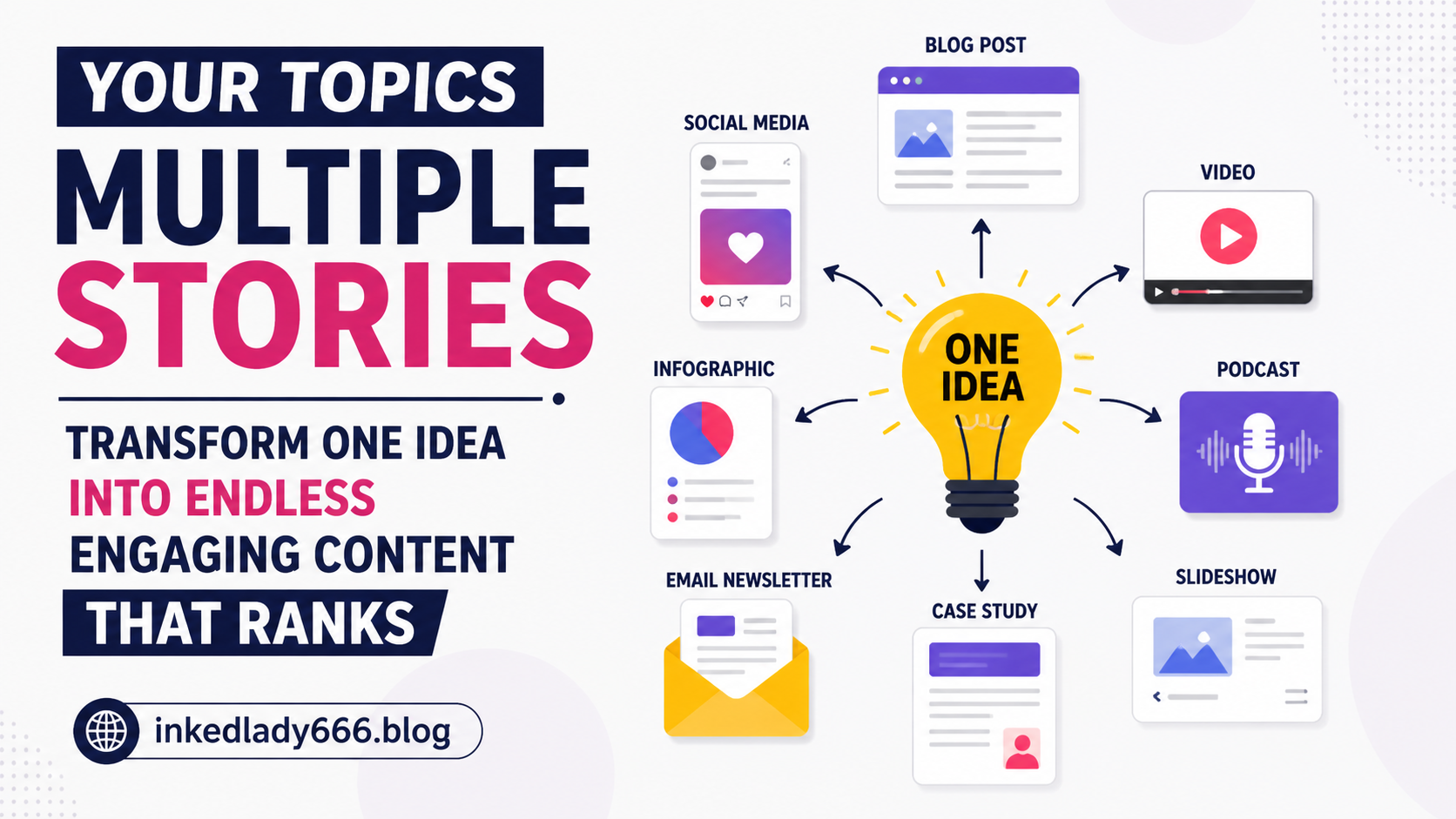
Content creation has evolved into a dynamic process where a single idea can generate endless possibilities. The concept of your topics | multiple stories focuses on expanding one core idea into several meaningful narratives. This approach helps writers, bloggers, and marketers create rich, diverse, and engaging content that resonates with a broader audience.
In today’s digital landscape, audiences expect variety and depth rather than repetitive or shallow content. By applying your topics | multiple stories, creators can explore different angles, perspectives, and storytelling formats. This not only enhances reader engagement but also improves visibility in search engines by covering multiple relevant aspects of a single subject.
Understanding the Concept of Your Topics | Multiple Stories
The idea behind your topics | multiple stories is simple yet powerful. It means taking one central topic and developing several unique narratives around it. Instead of writing a single article, you build a collection of stories that explore the topic in different ways, offering fresh insights each time.
This approach differs significantly from traditional content creation, where one topic leads to one piece of content. By using multiple storytelling angles, creators can dive deeper into subtopics, address various audience needs, and create a more comprehensive content ecosystem that adds real value.
Why Your Topics | Multiple Stories Matters for SEO and Content Growth
Search engines prioritize content that demonstrates depth, relevance, and authority. By using your topics | multiple stories, you naturally expand keyword coverage and improve topical authority. Each story targets different search queries, increasing the chances of ranking higher in search results and attracting organic traffic.
Additionally, this strategy enhances user engagement metrics such as time on page and click-through rates. Readers are more likely to explore related content when multiple perspectives are presented. This interconnected content structure builds trust and keeps audiences returning for more valuable insights.
How to Find the Right Topics for Multiple Stories
Finding the right topics begins with understanding your audience’s needs and interests. Start by identifying broad themes that resonate with your niche. From there, break down each theme into smaller, more specific ideas that can be developed into individual stories. This ensures a steady flow of relevant content.
Keyword research plays a crucial role in this process. By analyzing search trends and user intent, you can discover opportunities to create content that aligns with what people are actively searching for. Combining creativity with data-driven insights helps you build a strong foundation for your topics | multiple stories strategy.
Techniques to Create Multiple Stories from One Topic
One effective technique is to explore different perspectives of the same idea. For example, you can write a how-to guide, a case study, an opinion piece, or a list-based article, all centered around the same topic. This variation keeps your content fresh and appealing to diverse audiences.
Another approach involves repurposing content across multiple formats. A single blog post can be transformed into social media content, videos, or infographics. By adapting your message to different platforms, you maximize reach and ensure your stories connect with audiences in various ways.
Structuring Content for Maximum Engagement
A well-structured article is essential for capturing and retaining reader attention. Start with a compelling introduction that clearly communicates the value of the content. Use clear headings and subheadings to guide readers through the narrative, making it easy to follow and understand.
Incorporating storytelling elements such as real-life examples, emotional connections, and relatable scenarios can significantly enhance engagement. When readers feel connected to the content, they are more likely to stay longer, interact, and share it with others.
Best Practices for SEO Optimization
To fully benefit from your topics | multiple stories, it is important to follow SEO best practices. This includes using relevant keywords naturally throughout the content, optimizing headings, and ensuring readability. Avoid keyword stuffing and focus on creating meaningful, user-friendly content.
Internal linking is another crucial aspect of SEO. By connecting related stories, you create a network of content that improves navigation and helps search engines understand the relationship between different pages. This strategy strengthens your overall website authority.
Common Mistakes to Avoid
One common mistake is trying to cover too many unrelated ideas within a single piece of content. This can confuse readers and reduce the overall quality of the article. Instead, focus on maintaining a clear and consistent theme for each story.
Another mistake is neglecting user intent. Even if your content is well-written, it must align with what readers are looking for. Understanding their needs and delivering relevant information ensures your content remains valuable and effective.
Tools and Resources for Content Creation
There are numerous tools available to support your topics | multiple stories strategy. Keyword research tools help identify trending topics and search opportunities, while content planning tools assist in organizing ideas and maintaining consistency.
Analytics tools are equally important, as they provide insights into how your content is performing. By tracking metrics such as traffic, engagement, and conversions, you can refine your strategy and continuously improve your content creation process.
Real Life Examples and Use Cases
Many successful blogs and websites use your topics | multiple stories to build authority and attract large audiences. By consistently publishing diverse content around a central theme, they create a comprehensive resource that readers trust and rely on.
These examples demonstrate the effectiveness of this approach in driving traffic and engagement. By studying successful case studies, you can gain valuable insights and apply similar strategies to your own content creation efforts.
Future Trends in Your Topics | Multiple Stories Strategy
The future of content creation is closely tied to personalization and innovation. As technology continues to evolve, creators will have more tools to tailor content to individual preferences. This will make your topics | multiple stories even more impactful.
Artificial intelligence and automation are also shaping the way content is produced and distributed. By leveraging these advancements, creators can generate ideas, optimize content, and reach wider audiences more efficiently than ever before.
Conclusion
The concept of your topics | multiple stories offers a powerful way to transform a single idea into a rich collection of engaging content. By exploring different perspectives and formats, creators can provide greater value and connect with diverse audiences.
Adopting this strategy not only improves content quality but also enhances SEO performance and long-term growth. With consistency, creativity, and a clear understanding of audience needs, anyone can succeed in building a strong and impactful content presence.
FAQs
What does your topics | multiple stories mean
It refers to creating multiple pieces of content from a single central idea. Each story explores a different angle, providing variety and depth while keeping the content relevant and engaging for readers.
How can I create multiple stories from one topic
You can break the topic into subtopics, explore different perspectives, and use various formats such as guides, case studies, and opinion articles to create diverse content.
Is this strategy effective for SEO
Yes, it helps improve keyword coverage, increases topical authority, and enhances user engagement, all of which contribute to better search engine rankings.
How often should I use this strategy
Consistency is key. Regularly creating multiple stories around your topics ensures continuous content growth and keeps your audience engaged over time.
What tools can help with this approach
Keyword research tools, content planning platforms, and analytics tools are essential for identifying opportunities, organizing ideas, and measuring performance effectively.