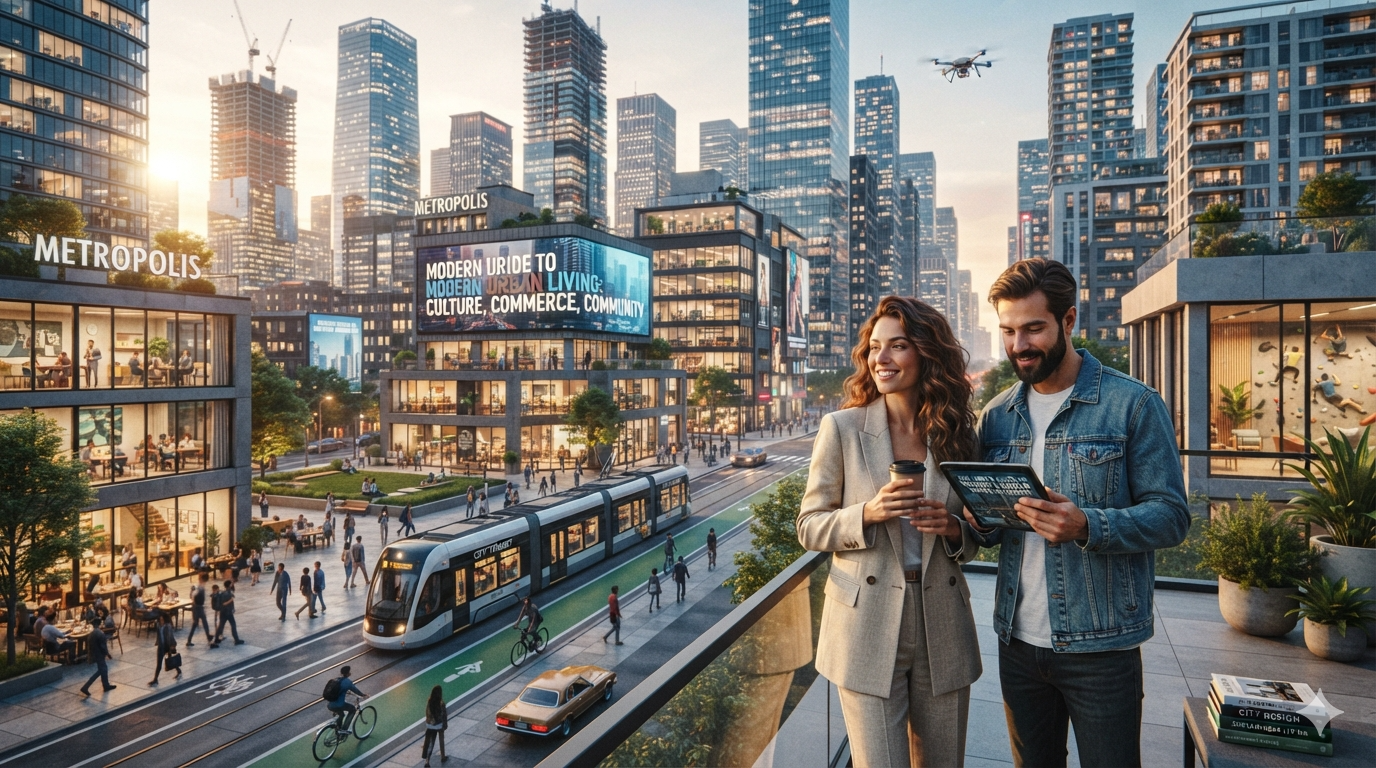
Living in a metropolis brings a unique energy that you cannot find anywhere else. The lifestyle of city living offers fast-paced daily routines, end-of-a-block convenience, and endless entertainment options. Millions of people choose to move to urban hubs every single year because they want better job opportunities and vibrant social scenes. When you walk down a busy street, you see diverse cultures, hear lively music, and smell amazing food from around the world. Every corner holds a new adventure waiting for you. However, urban living also comes with high costs, small living spaces, and non-stop noise. Understanding how to navigate this environment helps you enjoy the benefits while managing the stress.
Whether you are planning a move or just curious about urban culture, knowing what to expect makes a huge difference. The lifestyle of city environments requires flexibility, smart budgeting, and a proactive mindset. In this comprehensive guide, we will break down everything about urban life, from transit options and housing trends to social dynamics and daily fitness routines.
Overview: Urban Life Snapshot
| Metric / Aspect | Standard City Living Profile |
| Primary Environment | High-density urban areas, high-rises, mixed-use zones |
| Daily Commute Time | 30 to 60 minutes via public transit or walking |
| Average Housing Type | Studio, 1-bedroom, or 2-bedroom apartments |
| Cost of Living Index | 20% to 50% higher than suburban or rural average |
| Key Perks | Job opportunities, nightlife, diverse food, public transit |
| Main Challenges | High rent, traffic congestion, noise, small living spaces |
| Ideal Persona | Career-focused individuals, young professionals, culture lovers |
What Is the Lifestyle of City Living Really Like?
The lifestyle of city living revolves around speed, connectivity, and constant activity. Unlike quiet small towns where things slow down after sunset, urban centers operate on a 24-hour cycle. You can order groceries at midnight, grab a fresh coffee at sunrise, or hit a gym during off-peak hours without any trouble. People who love this way of life enjoy having everything right at their doorstep. You do not need to drive long distances just to buy milk or see a movie.
However, the lifestyle of city life also means sharing space with thousands of neighbors every day. You will ride packed subways, wait in lines for popular coffee shops, and hear traffic outside your window. Over time, you learn to adapt to the constant noise and find comfort in the collective energy of the crowd. It creates an environment where you never truly feel isolated or bored.
Top Perks of Embracing Urban Culture
One of the biggest reasons people love the lifestyle of city environments is the endless array of choices. You have instant access to world-class museums, art galleries, live theater, and concerts right in your neighborhood. Every weekend brings street fairs, local markets, and cultural festivals that celebrate international traditions. You will constantly discover new hobbies and meet people from all walks of life.
Another huge benefit of the lifestyle of city hubs is the sheer diversity of food and dining options. You can eat authentic street tacos on Monday, Italian pasta on Tuesday, and Ethiopian stew on Wednesday. Local bakeries and family-owned diners sit alongside high-end restaurants, giving you endless dining choices regardless of your budget or palate.
Career Growth and Professional Networking Opportunities
Professional growth is a massive driver for choosing the lifestyle of city living. Major corporations, tech startups, and creative agencies locate their headquarters in downtown corridors to attract top talent. Living close to these employment hubs opens doors for fast career advancement, higher salaries, and professional mentorship.
Networking happens naturally when you adopt the lifestyle of city professional routines. You can attend industry meetups, professional conferences, or casual happy hours right after your workday ends. Building connections over coffee or at local events helps you land new projects and job promotions much faster than remote setups usually allow.
Navigating Public Transit and Daily Commuting
Managing your daily transportation is a core part of the lifestyle of city residents. Most major metropolitan areas offer extensive public transportation networks, including subways, light rails, buses, and commuter trains. Using public transit saves you thousands of dollars each year on car payments, auto insurance, gas, and parking fees.
Walking and cycling are also central to the lifestyle of city mobility. Bike-share programs and dedicated bike lanes allow you to navigate busy streets safely while getting daily exercise. Walking everywhere keeps you physically active without needing a separate gym appointment, making healthy habits a natural part of your daily commute.
Housing Options: From High-Rises to Micro-Apartments
Housing in urban centers looks vastly different from spacious suburban homes. The lifestyle of city dwellers often means residing in multi-family buildings, high-rise apartments, or historic brownstones. Space is at a absolute premium, which means living rooms, bedrooms, and kitchens are compact and efficient.
Micro-apartments and studio units have grown increasingly popular among young workers who embrace the lifestyle of city simplicity. Renters learn to declutter their belongings and focus on functional furniture that doubles as storage. Since your neighborhood acts as your extended living room, having a massive house becomes much less important.
Managing Costs in High-Cost Urban Areas
Financial management is critical if you want to maintain the lifestyle of city comfort without burning through your savings. Rent usually consumes the largest portion of your monthly paycheck, followed by dining out and entertainment expenses. Creating a strict monthly budget helps you enjoy urban amenities while still building an emergency savings fund.
Smart strategies can help lower the cost of the lifestyle of city living significantly. You can cook meals at home during the workweek, take advantage of free park events, and shop at local farmers’ markets. Sharing an apartment with roommates is another popular choice that cuts housing bills and utility costs directly in half.
Health, Fitness, and Green Spaces
Staying active and healthy comes naturally with the lifestyle of city daily routines. Since you walk to transit stops, take stairs, and run daily errands on foot, you effortlessly rack up thousands of steps each day. Many urbanites also join boutique fitness studios, rooftop yoga classes, or local running clubs to keep their workouts fun.
Finding nature within a concrete jungle is essential for long-term mental wellbeing. Municipal leaders build expansive public parks, botanical gardens, and waterfront trails specifically to provide peaceful green spaces. Spending time in parks offers a quiet break from honking cars and busy sidewalks, keeping your mind refreshed and grounded.
Building Community and Finding Your Social Circle
Building strong friendships requires intentional effort within the lifestyle of city crowds. Because urban environments host millions of people, it can surprisingly feel overwhelming or lonely at first. The secret is finding smaller sub-communities that share your specific personal passions, hobbies, or career goals.
Joining community gardens, local volunteer groups, recreational sports leagues, or book clubs helps you form meaningful bonds quickly. Neighborly connections also bloom when you become a regular customer at a local coffee shop or neighborhood park. Over time, these daily interactions create a comforting sense of hometown warmth right in the heart of a massive city.
Balancing the Pace and Avoiding Burnout
The intense speed of the lifestyle of city environments can lead to mental fatigue if you do not manage your time carefully. Constant noise, crowded sidewalks, and demanding job workloads can easily drain your energy levels. Learning to set boundaries and schedule quiet downtime is vital for maintaining long-term physical and mental balance.
Creating a calm personal retreat inside your apartment makes a massive difference. Use blackout curtains, noise-canceling headphones, and indoor plants to transform your living space into a restful sanctuary. Stepping away from your phone, taking quiet weekend strolls, and practicing mindfulness will protect you from urban burnout.
Is the Urban Life Right for You?
Choosing the lifestyle of city living ultimate comes down to your personal goals, budget, and personality type. If you thrive on social energy, cultural diversity, public transit, and rapid career advancement, you will likely love urban life. The constant excitement and opportunities easily outweigh the smaller living spaces and higher costs for millions of happy residents.
However, if you prefer private backyards, quiet evenings, and extra living space, suburban or rural options might fit you better. Take time to evaluate your priorities before making a major relocation decision. Visiting an urban neighborhood for a week can help you test the waters and experience daily life firsthand.
Frequently Asked Questions
What is the biggest advantage of the lifestyle of city living?
The biggest advantage is convenience and opportunity. You have easy access to top job markets, public transportation, world-class entertainment, diverse dining choices, and cultural events right outside your front door without needing a car.
How can I save money while living in a big city?
You can save money by sharing an apartment with roommates, using public transportation instead of owning a car, cooking meals at home, and taking advantage of free local parks, museum days, and community events.
Is it safe to raise a family in an urban environment?
Yes, many families thrive in urban areas. Cities offer great educational museums, public libraries, diverse schools, and community parks. Choosing a family-friendly neighborhood with good public safety records makes urban parenting very rewarding.
How do urban residents deal with constant traffic and noise?
City dwellers adapt by using noise-canceling headphones, soundproofing their apartments with thick curtains and rugs, and relying on subways or walking paths instead of driving cars through heavy traffic congestion.
Do I need to own a car if I live downtown?
In most major metropolitan centers, you do not need a car. Public buses, subways, rideshare services, bike lanes, and walkable sidewalks make commuting simple and far more affordable than paying for parking and auto maintenance.
How do I make friends after moving to a new city?
You can make friends by joining local interest clubs, recreational sports teams, neighborhood volunteer organizations, or professional networking groups. Being a regular at local cafes and parks also helps you meet nearby neighbors naturally.
Conclusion
Embracing the lifestyle of city living opens up a world filled with endless possibilities, personal growth, and vibrant cultural experiences. While the fast pace and higher costs require smart planning and adaptation, the rewards of career advancement and instant convenience are truly unmatched. Take the plunge, explore new neighborhoods, and build a fulfilling life in the heart of the metropolis!